Scanning the past

One of the good things for me about having a flat bed scanner is that it makes old negatives, in many cases never printed, available and easily usable.

Here is a selection of images from scans of old negatives going back to the mid ‘80s taken on different formats and films which I recently posted on Instagram. (NB these have all been cropped square to fit the Instagram format).

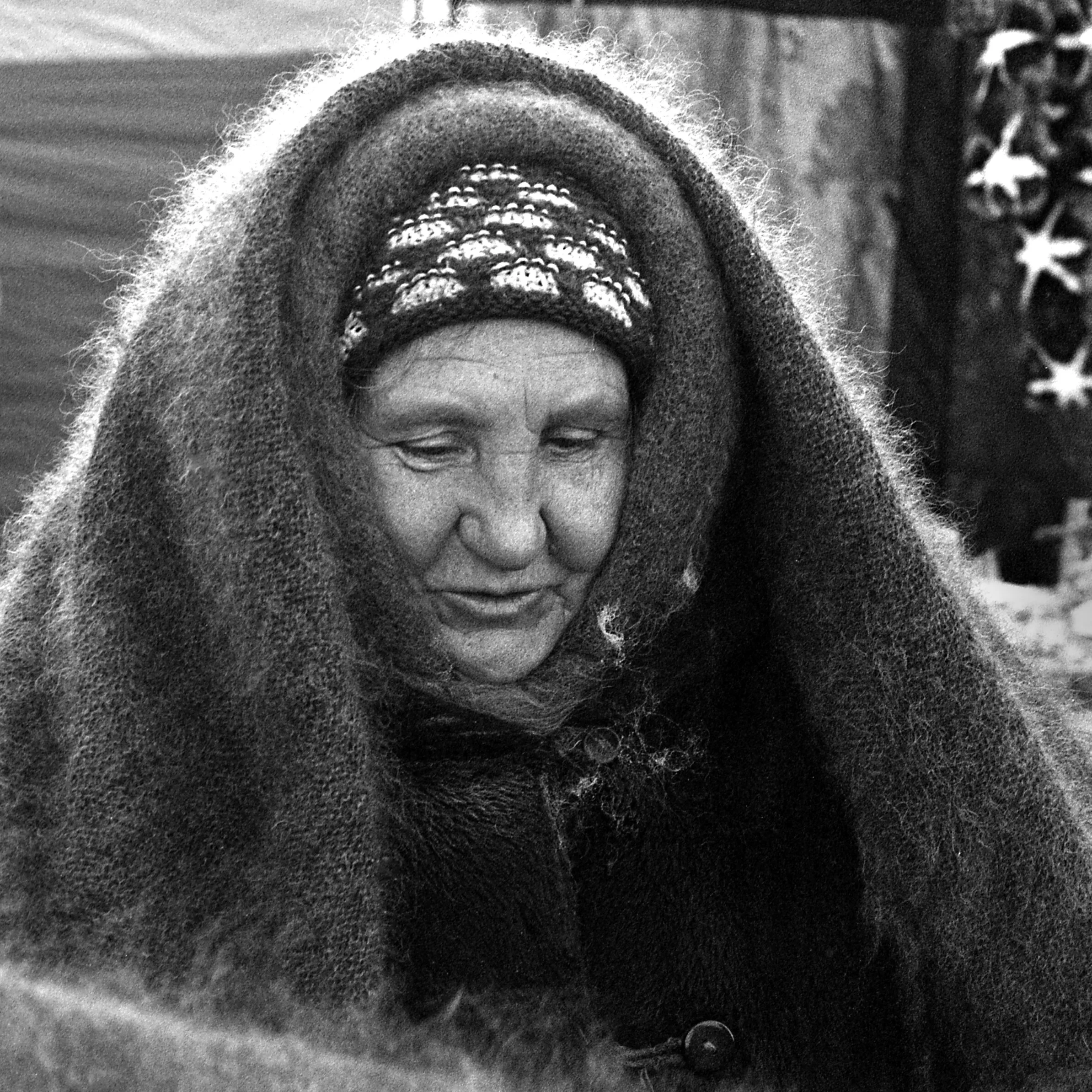
Taken in a market in the Urals, early ‘90s. Probably taken on a Minolta SRT 35 mm with standard lens. Efke 100 film.

Taken in a market in the Urals, early ‘90s. Probably taken on a Minolta SRT 35 mm with standard lens. Efke 100 film.

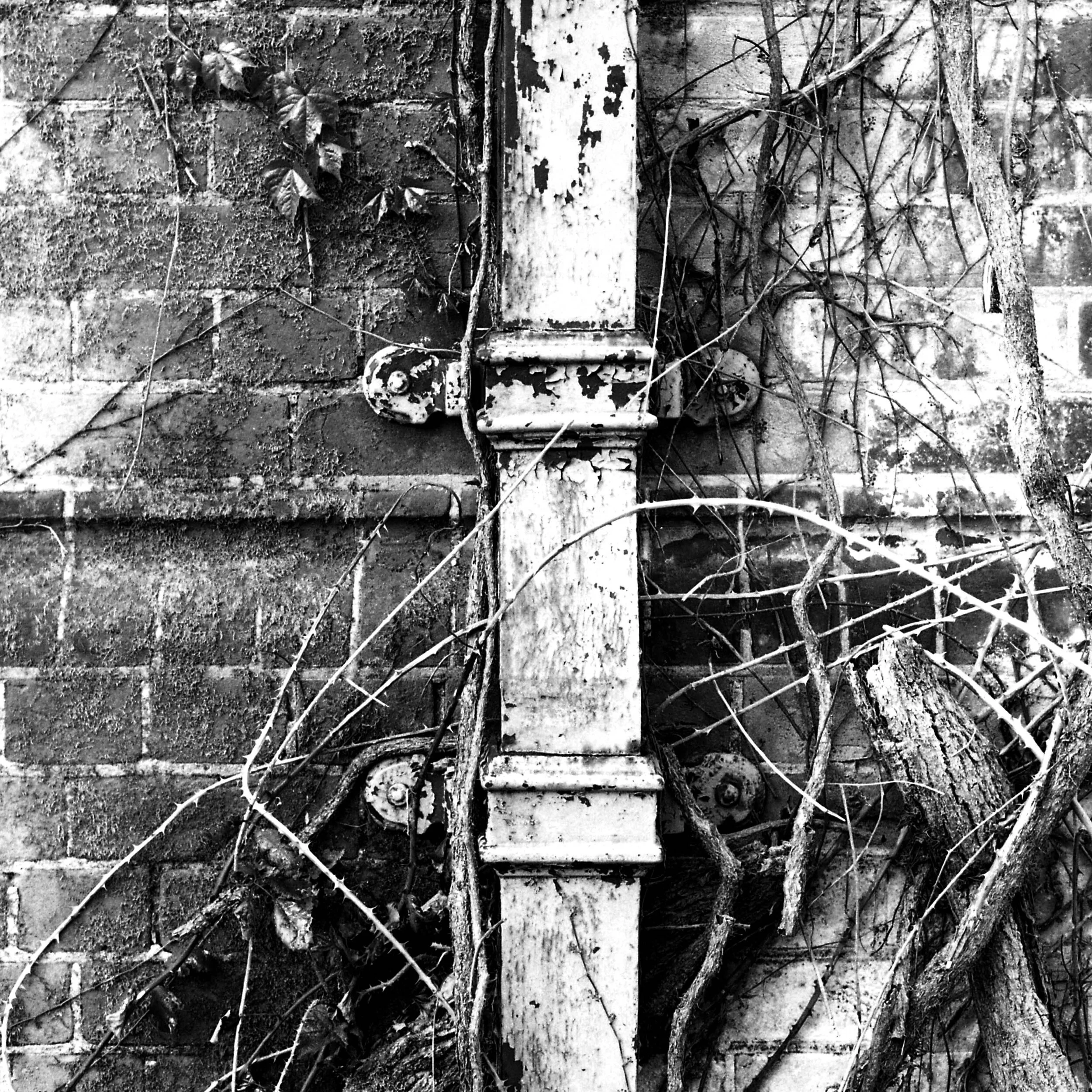
Scan of a FP4 negative taken with a Pentax KX 35 mm camera, 55 1.8 lens.

Scan of a FP4 negative taken with a Pentax KX 35 mm camera, 55 1.8 lens.

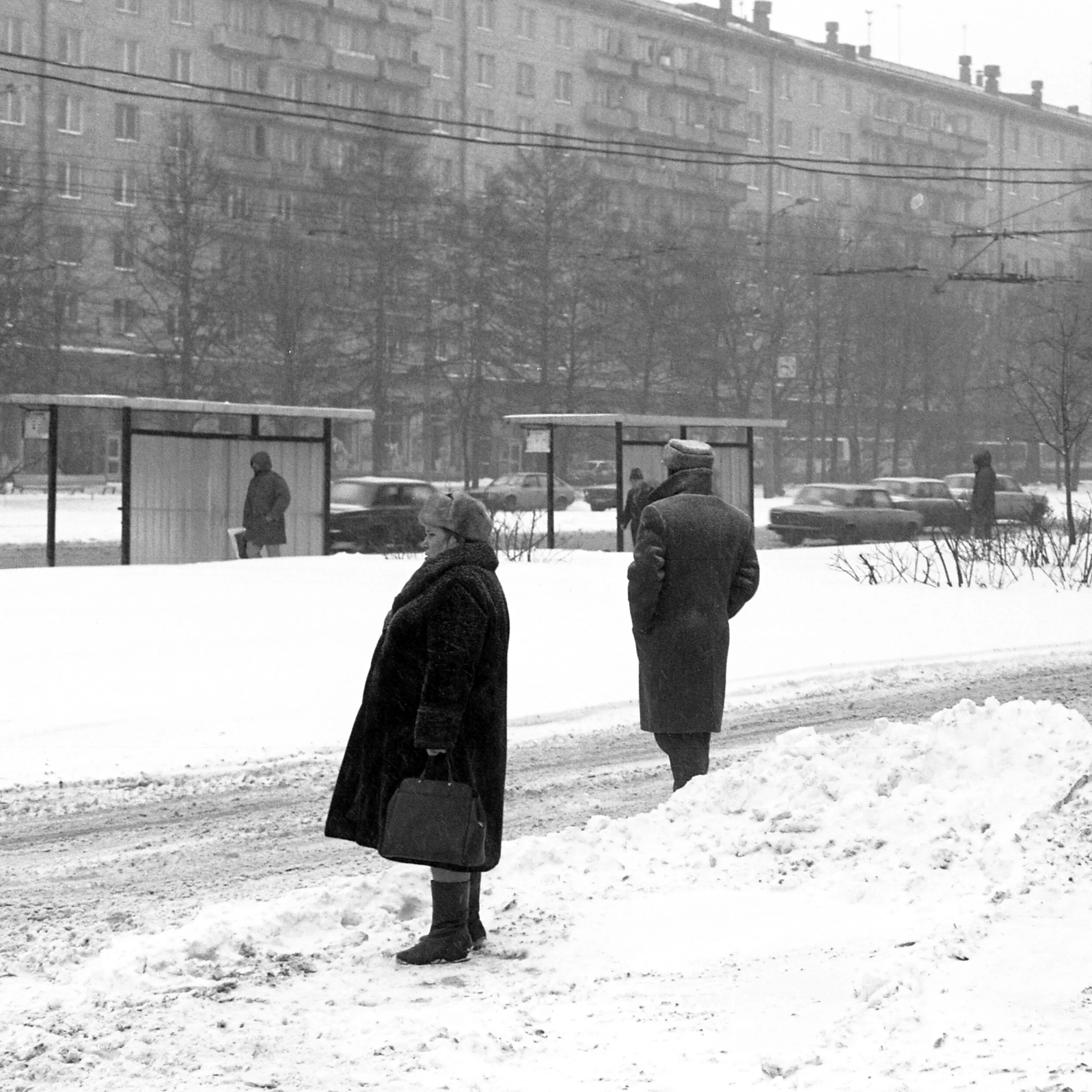
Moscow, mid ‘90s, Minolta X700. In light of the current lockdown, I posted this with the title ‘Socialist distancing’

Moscow, mid ‘90s, Minolta X700. In light of the current lockdown, I posted this with the title ‘Socialist distancing’

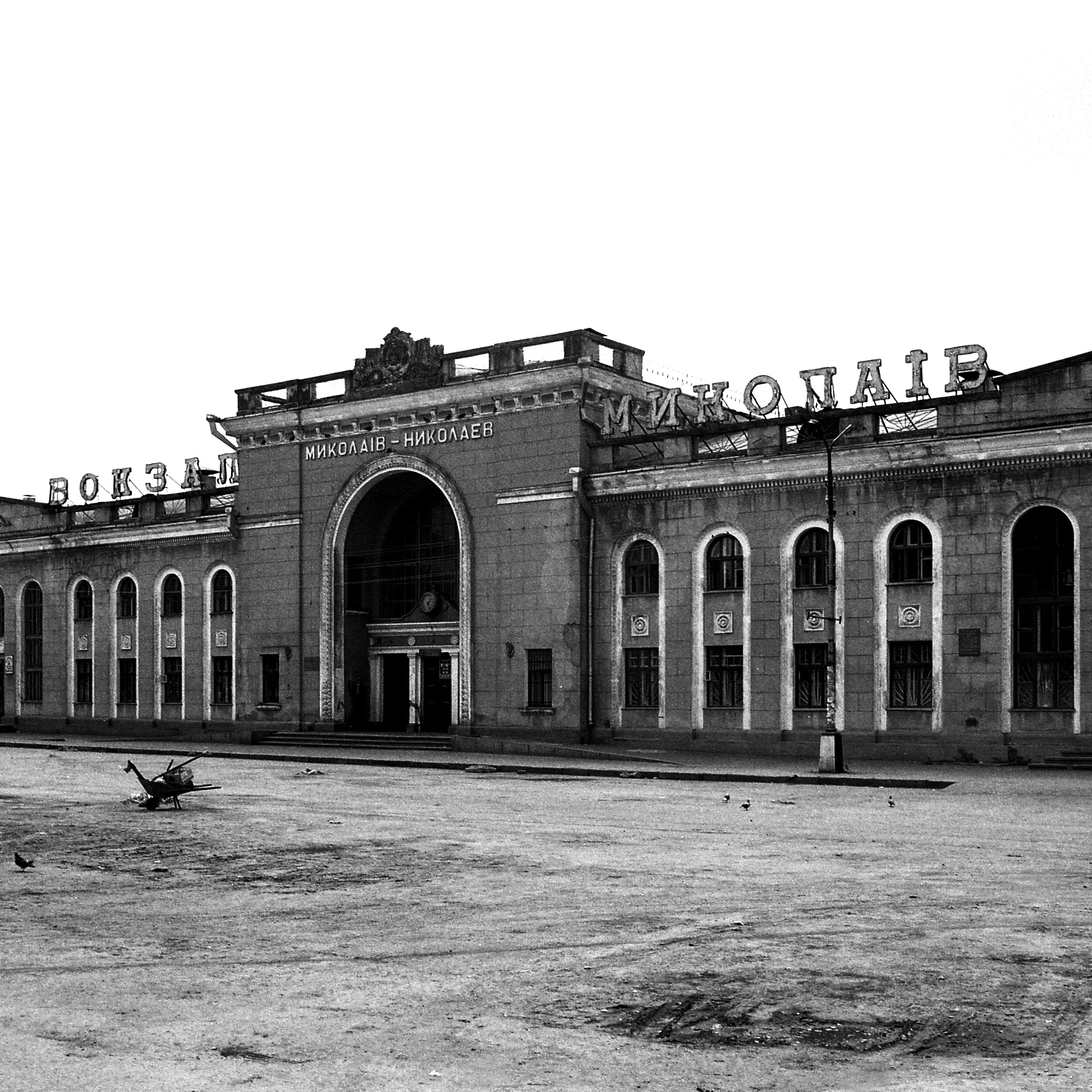
Nikolaev railway station, Southern Ukraine, mid ‘90s. Minolta X700.

Nikolaev railway station, Southern Ukraine, mid ‘90s. Minolta X700.

Definition with grain

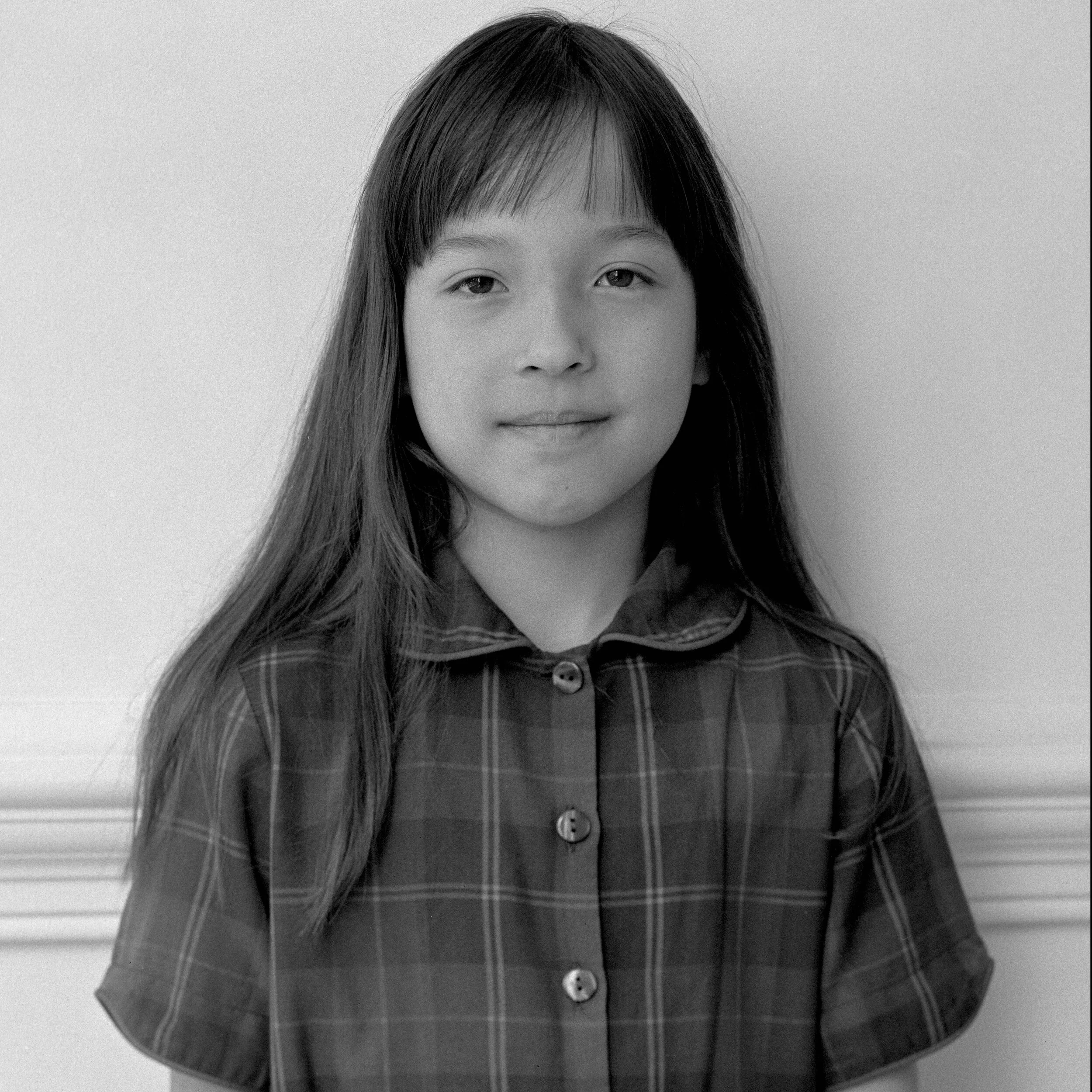
I shot this portrait of my daughter Mikayla on Ilford HP5 film using a 5x4 camera and soft afternoon light from an upstairs window. It was then developed in Rodinal with more than the recommended agitation, a combination almost guaranteed to give sharpness but with grain. Finally I cropped it square.

The image turns out to have a soft, grainy effect but with high definition. While I normally go out of my way to avoid grain I like the way it has worked with this image.

Mikayla, my youngest of five

Mikayla, my youngest of five

Pimp my Lada

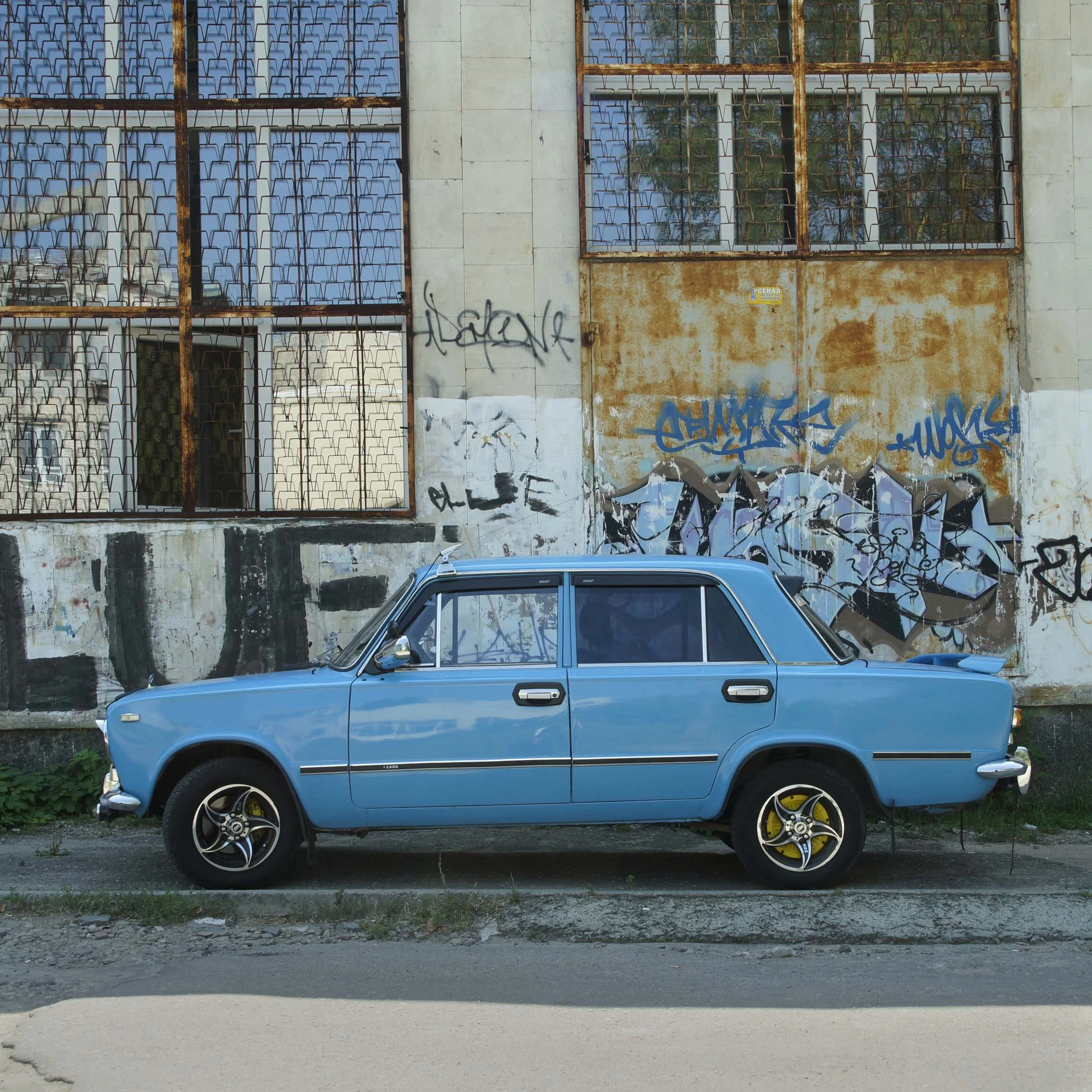
The Lada was the most widely available car in the Soviet Union.

Because of shortages (of almost everything) most people couldn’t just buy one, even if they had the rubles, but had to go onto a waiting list that could stretch out years.

Despite quality problems the ubiquitous Lada is still present and going strong in former Soviet states.

I spotted this particularly shiny, pimped up model in Kherson, Ukraine when I was there last summer.

Seemingly still the object of someone’s desire….

Insta car.jpg

Results from outdated film stock

I came across a few rolls of outdated 120 black and white film and decided to see if it could still produce decent results. The films were Ilford Delta 100 from 2005, so 15 years old and having been stored in a cupboard rather than a freezer which is what is recommended for long-term storage.

As a guide I discovered that the film speed should be down-rated by approximately 1 stop per decade that films are outdated so I rated the film at ISO 50 and loaded it into an old Russian Kiev medium format camera with an even older Carl Zeiss 80mm Biometer lens from a Practisix camera. I developed the exposed film in Rodinal (1+25) for slightly longer and with a little more agitation than recommended) and then scanned them using an Epson V 800 scanner.

I was pleasantly surprised by the results, some of which I have loaded below.

doc110 blog.jpg
doc108 blog.jpg
doc106 blog.jpg
doc098 blog.jpg

Suffolkscapes

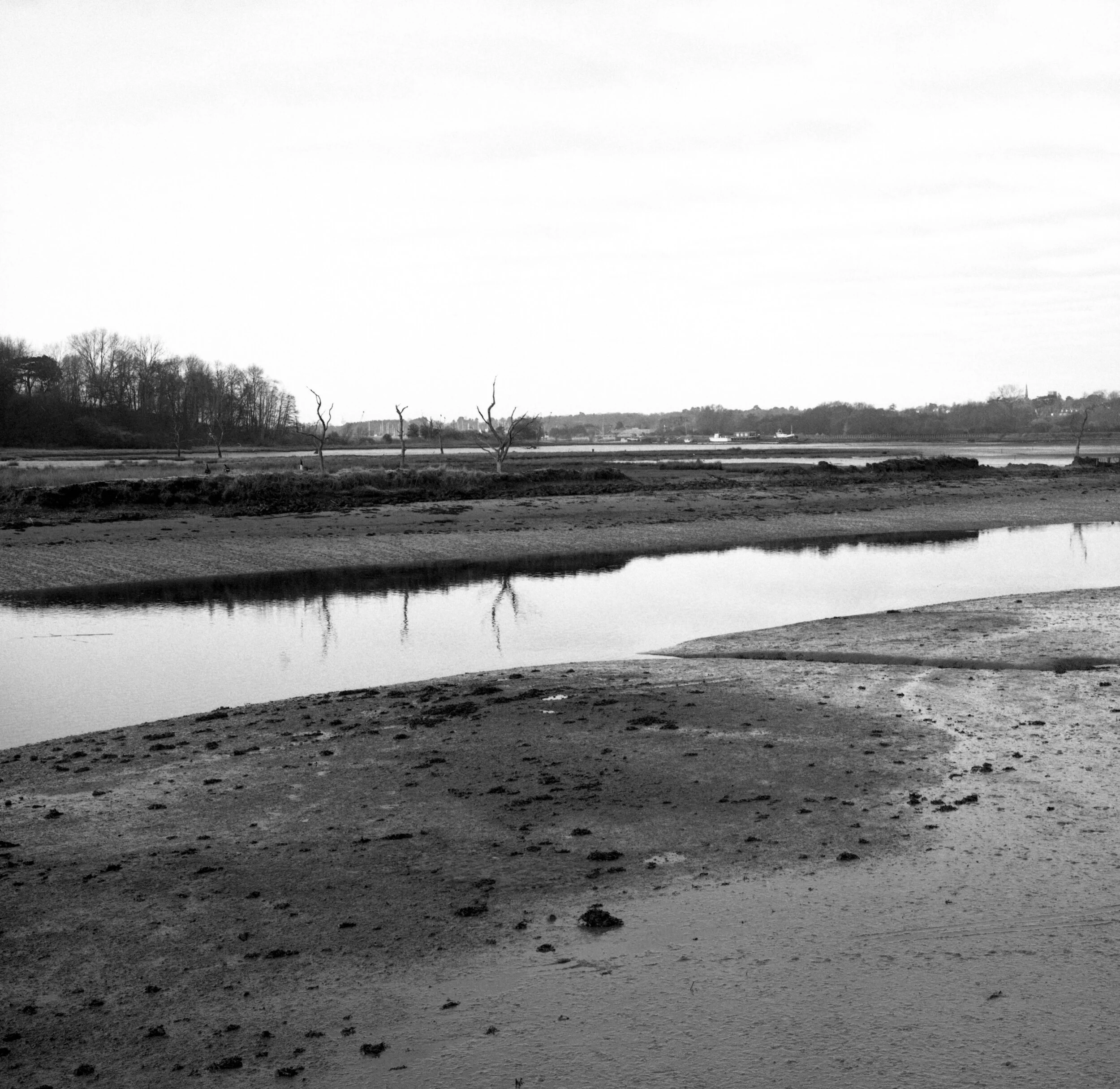
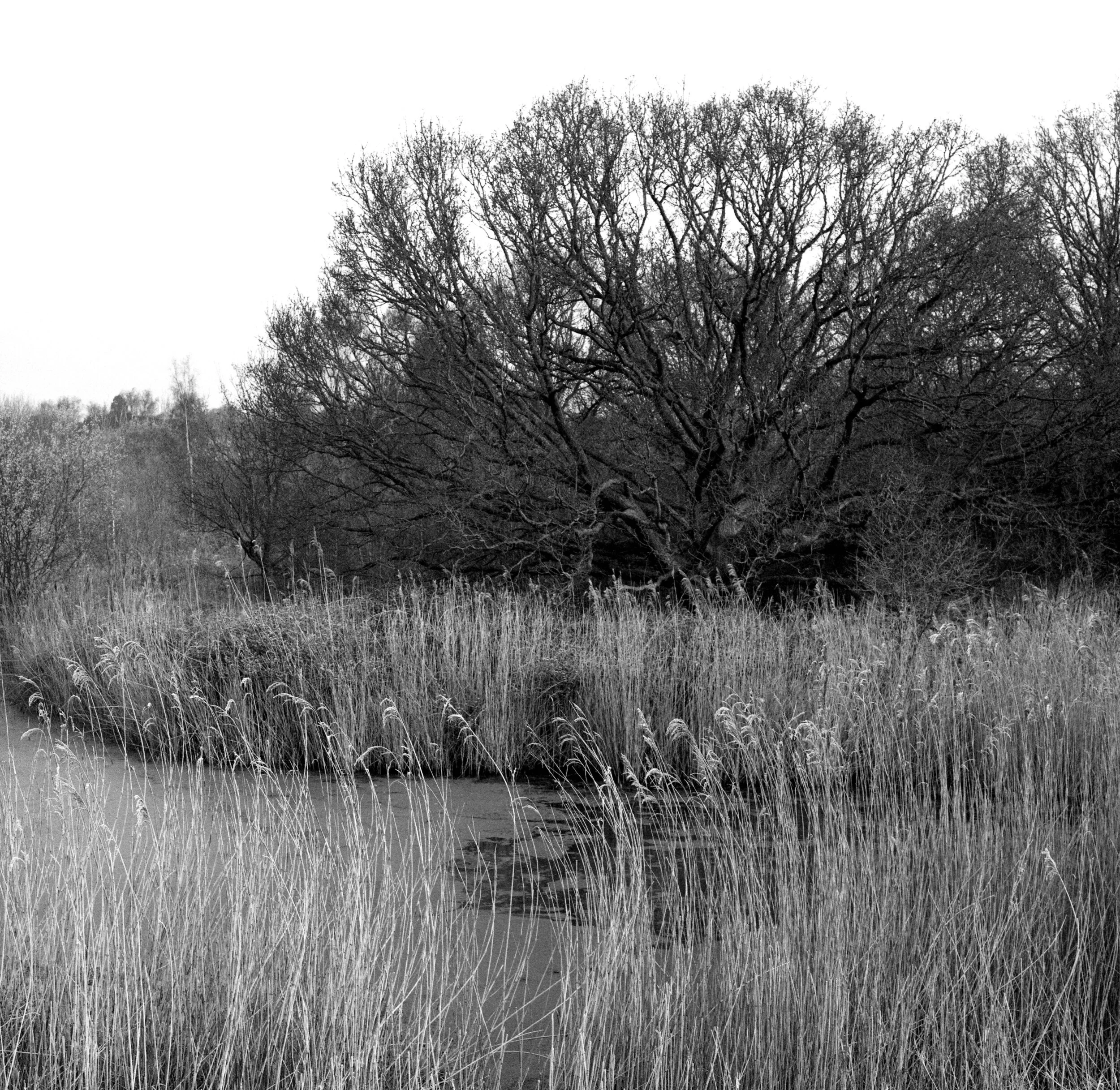
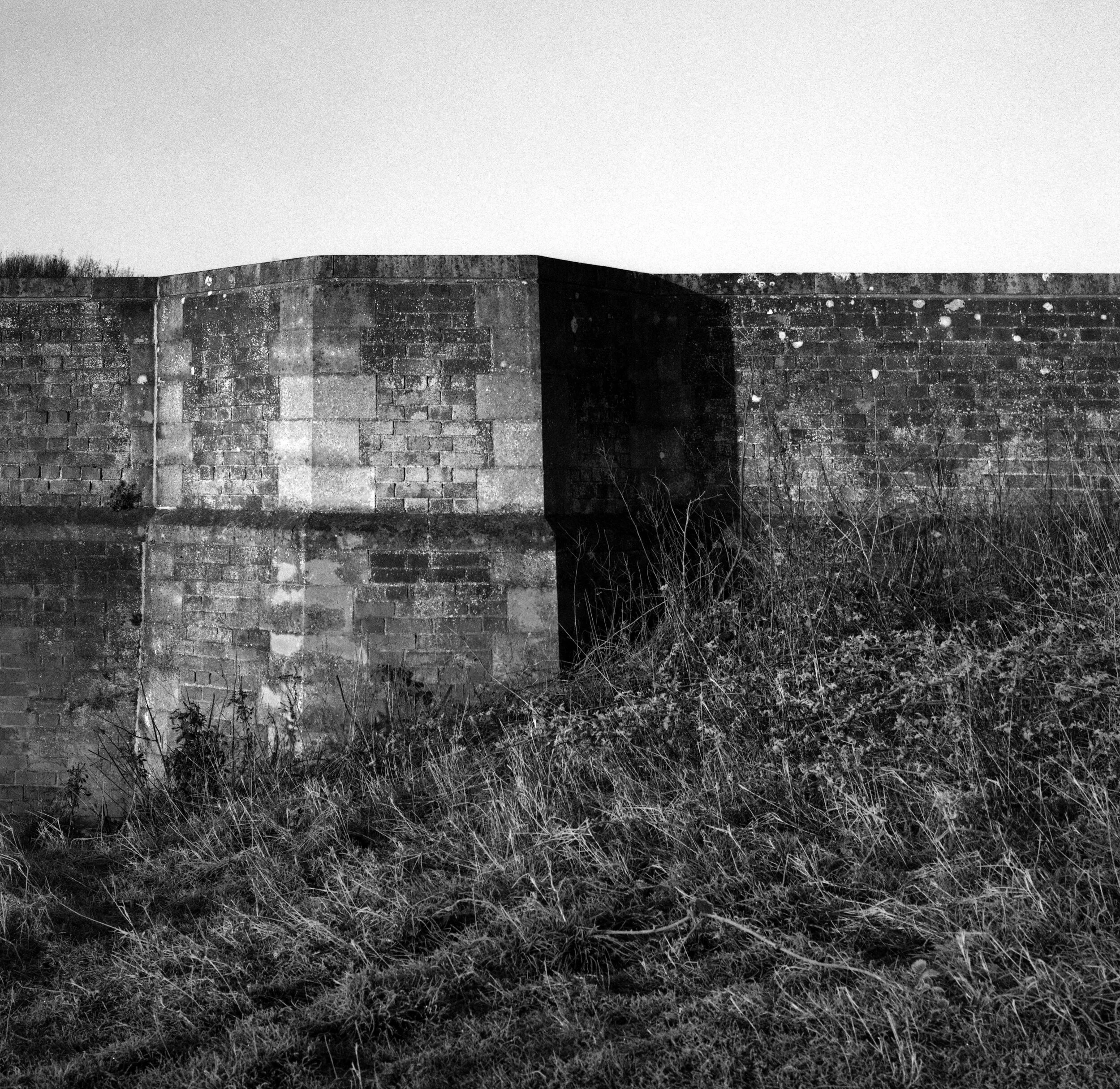
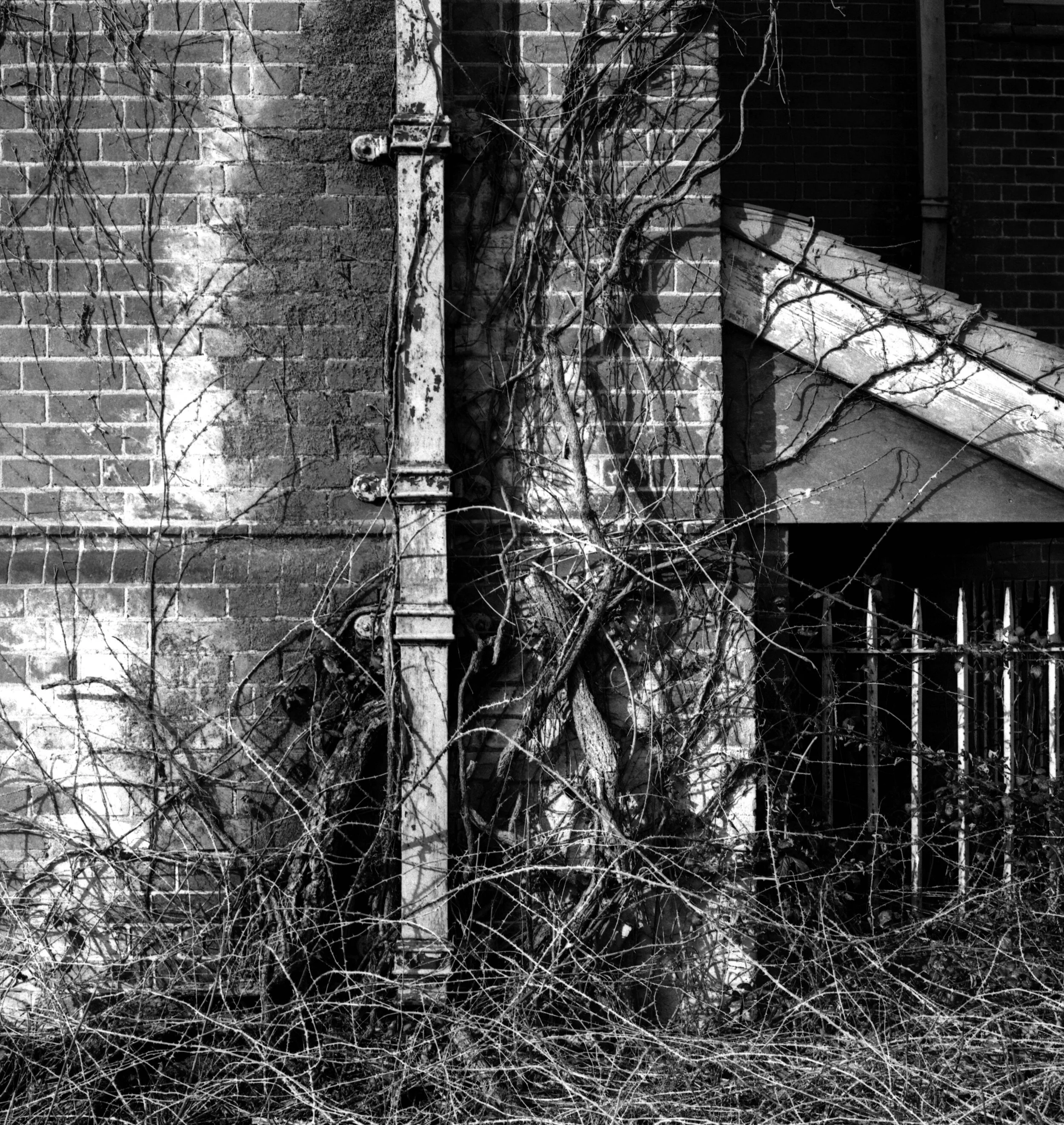
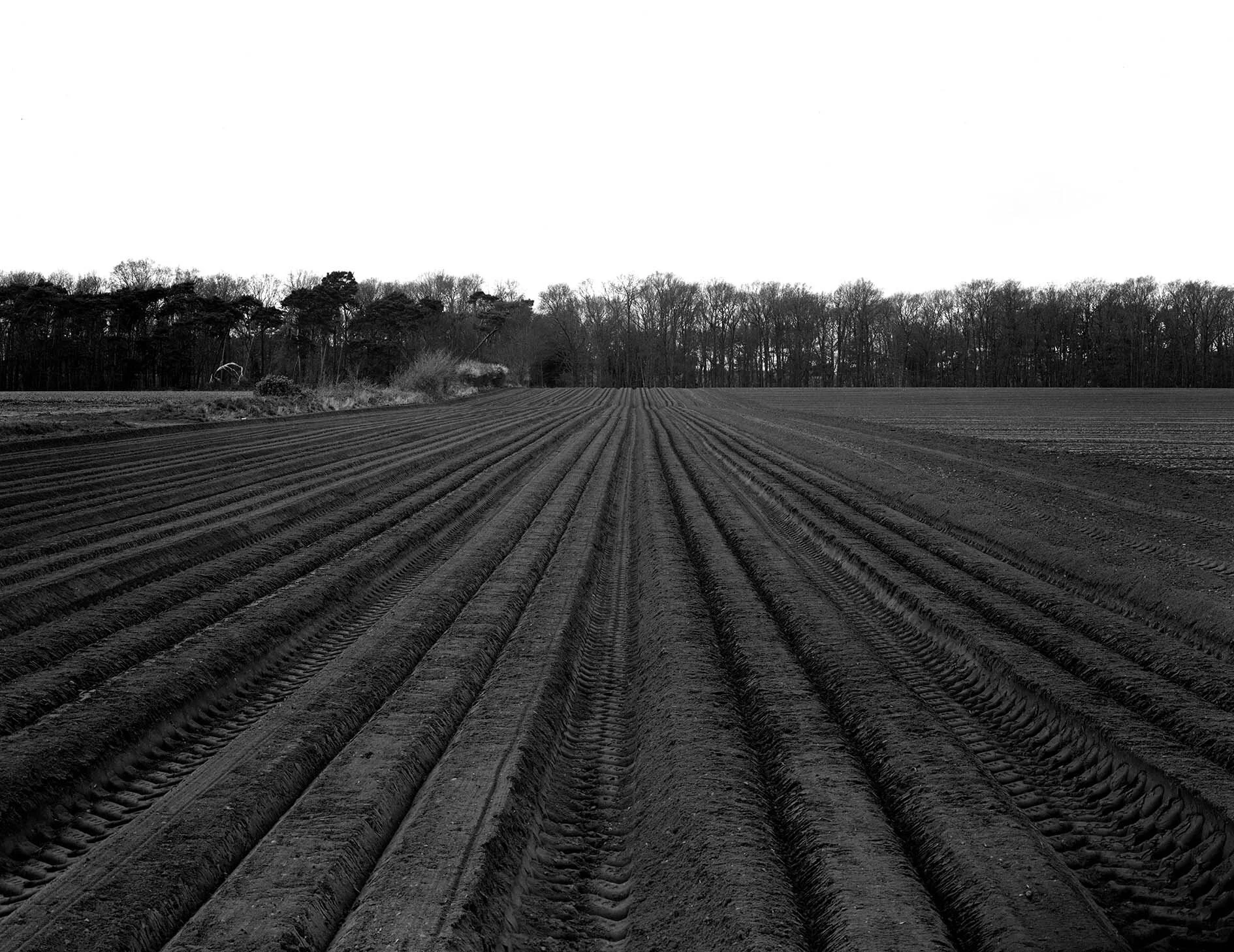
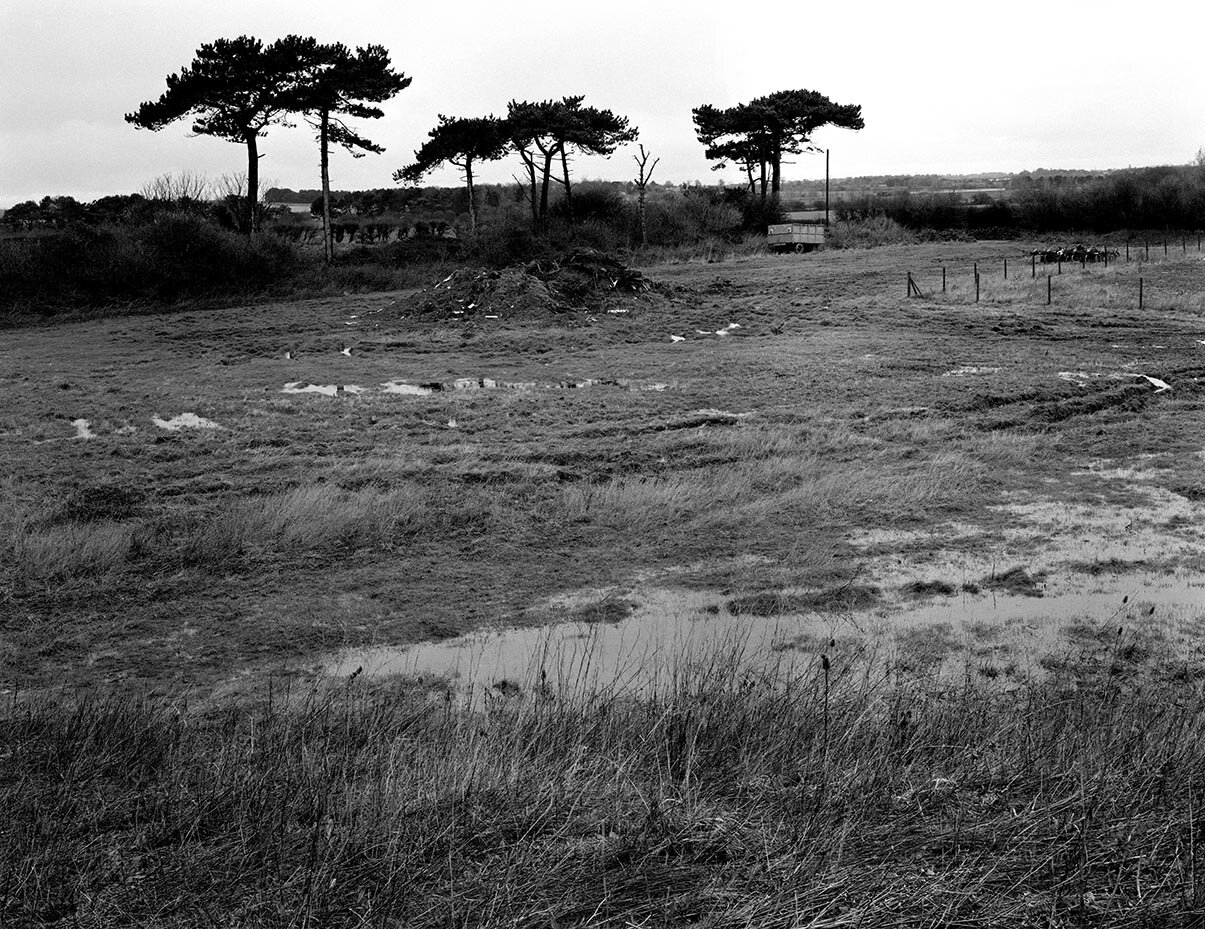
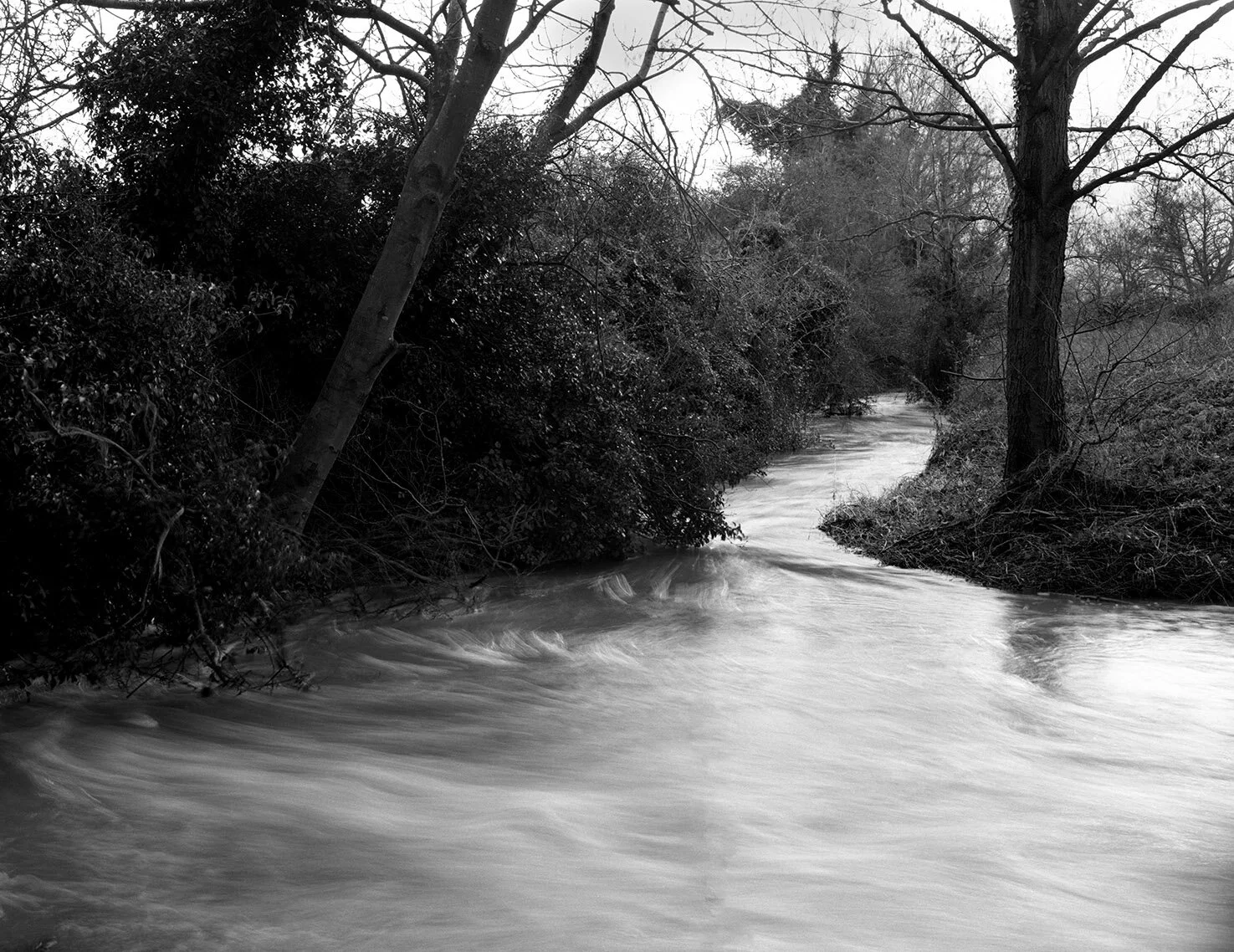
I’ve been out and about shooting in East Suffolk. Rather than using ISO 400 Ilford HP5 which is my normal film I’ve been trying out a Czech film, Fomapan ISO 100, on a 5x4 view camera. Fairly pleased with the results so far. I’ve posted 3 images below.

In the first two I’ve used front tilt to increase depth of field having realised that this movement is more important when using a slower film as you can’t stop the lens down as much without risking image blur. They are sharp front to back.

By contrast, the third image uses a one second exposure to deliberately induce blur in the moving water.

blog.jpg
doc031 blog small.jpg
doc041-Edit blog small.jpg

Lens coverage on 5x4

I recently bought a Nikon 105 F 5.6 lens for my Wista 45 large format camera. I got it for a good price but now I understood the reason for that. I want to use this lens as a wide angle on my view camera (it is probably equivalent to around a 32 mm lens in standard 35 mm terms) but when I ordered it I didn't realise that so-called ‘coverage’ could be a problem. The coverage of a lens is important when you use tilt, swings and other movements on a view or other form of large format camera. It seems that the Nikon lens I bought is right on the borderline as to whether or not it will work effectively for the 5x4 format and allow movements to be made using the camera to correct perspective etc.

After some research on the web I found the link below which might be useful to others to avoid making the same mistake. It shows the coverage of many widely available lenses that can be used on large format cameras. 

https://www.largeformatphotography.info/lenses/LF4x5in.html

I have since experimented with this lens on the camera using a variety of movements to see whether or not they would induce vignetting, that is dark corners on the negative because of insufficient lens coverage. Luckily it appears that the image circle of the lens is sufficient to use on my camera stopping down as far as F 22, although as yet I haven't tried using it with any extreme forms of tilts or swings of the front standard or stopped down beyond F 22.

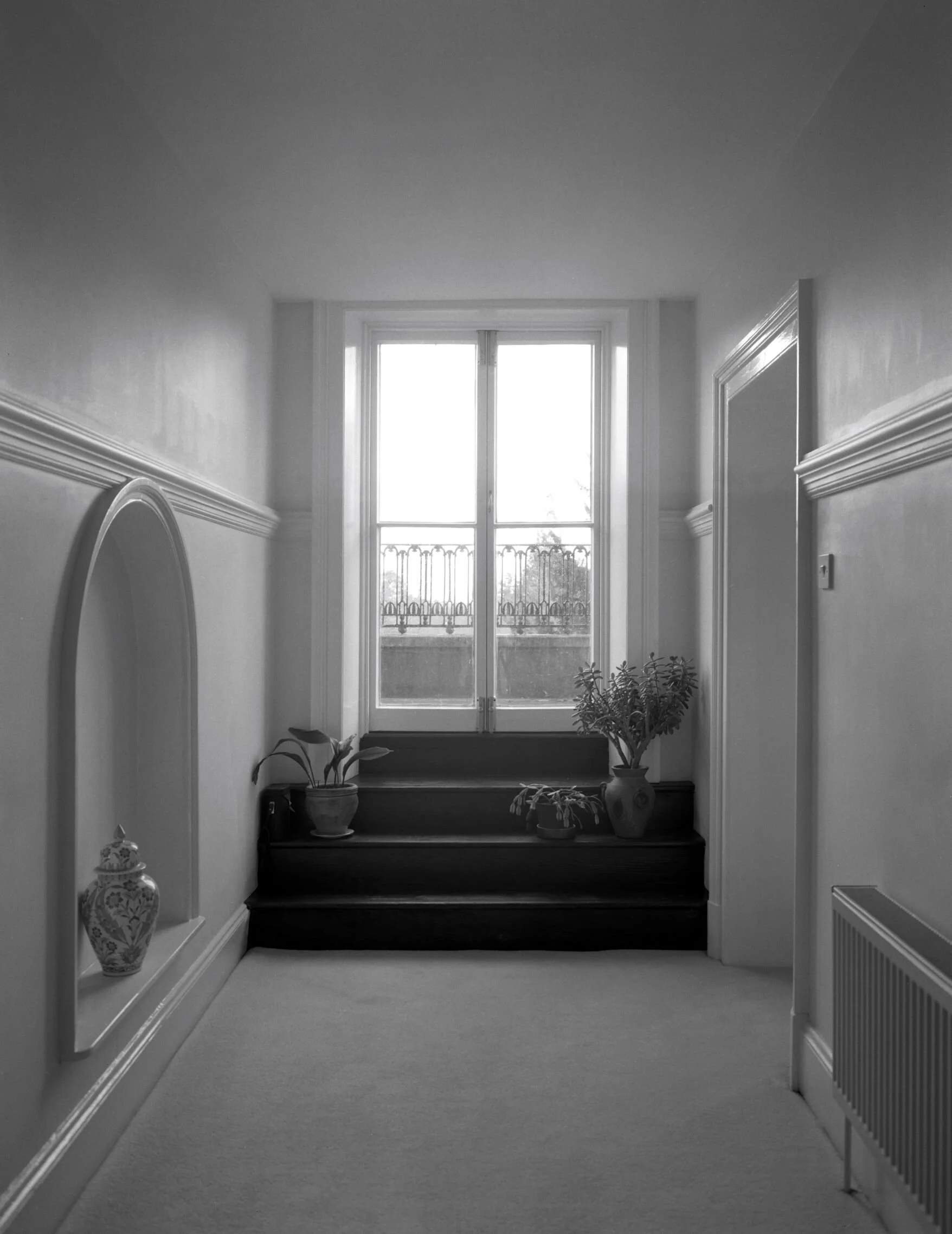
Below I have included one of the images taken with this lens using a degree of rise on the front standard. No vignetting resulted. However, in future I will pay more attention to lens coverage if I end up buying any additional lenses for my 5x4 camera.

Image taken using Nikon 105 F 5.6 lens on Wista 45

Image taken using Nikon 105 F 5.6 lens on Wista 45

Vestiges from a Soviet Past

While in Ukraine finalising the images for In Memoriam (see earlier post), I also started working on another project connected with the Former Soviet Union that I expect to continue with over the course of the next few years. When the Soviet Union broke up in 1991 the shock waves had a huge impact on successor countries, including Ukraine where I have travelled extensively.

After almost 30 years since these former Soviet Republics became independent countries, vestiges of the old communist world are still very much in evidence, particularly outside the capital cities. This series of images looks at aspects of this ongoing post-Soviet transition from the vantage point of Xepcoh (Kherson in English) a town in southern Ukraine. I have now added some sample images to my website. It features mostly ‘quiet’ images taken in Soviet era apartment complexes and on street corners. Like much of my recent work, most of the images in this series do not feature people but allude to their presence and their influence on the spaces I shoot. I intend to work further on this project shooting in other smaller towns in Ukraine and possibly Russia and Kazakhstan when I return next year.

_DSC5606.JPG

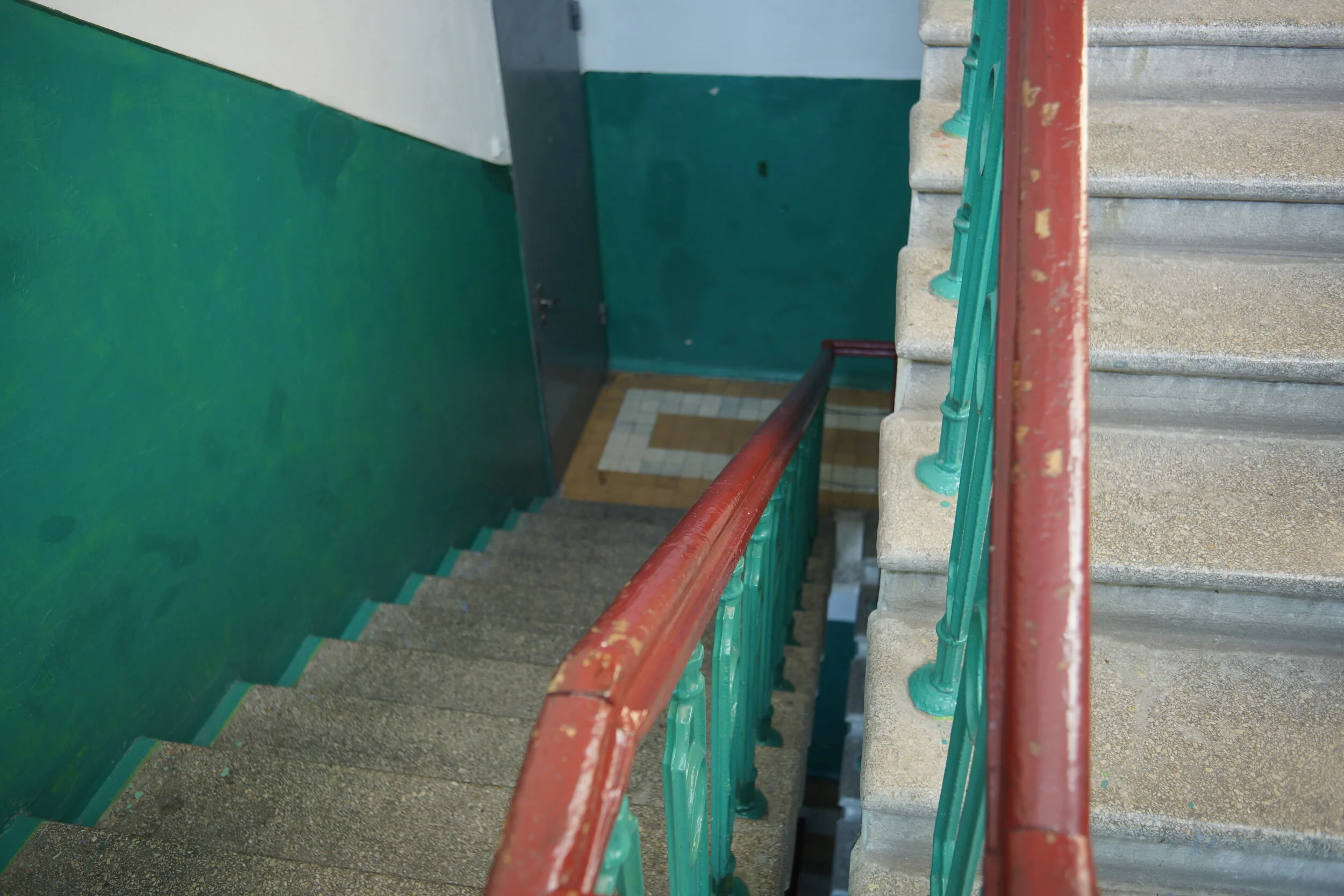
Stairwell in a Soviet era apartment block

After the Fall

Having invested in a flatbed scanner (Epson V800) I have been revisiting my old black and white negative collection which goes back more than 30 years. I have now put them into some sort of order and started to scan, beginning with 35 mm negatives from the Soviet Union and Russia after the dissolution.

In December 1991 the Soviet Union finally collapsed in on itself and the constituent republics formed new independent states. At the time I was travelling there frequently on business and continued to do so over the next 10 or so years. My collection of black and white images records Russia and Ukraine in the initial years after the break-up and documents some of the changes that took place in this tumultuous period.

Rampant capitalism replaced the dead hand of centralised state planning and income differentials exploded. Oligarchs enriched themselves from the rapid privatisation of state assets while pensioners and others on fixed incomes saw their standard of living plummet, eroded by rapid inflation and currency depreciation. It was a truly fascinating time to be travelling there and I have included some initial images as a page in my website (After the Fall).

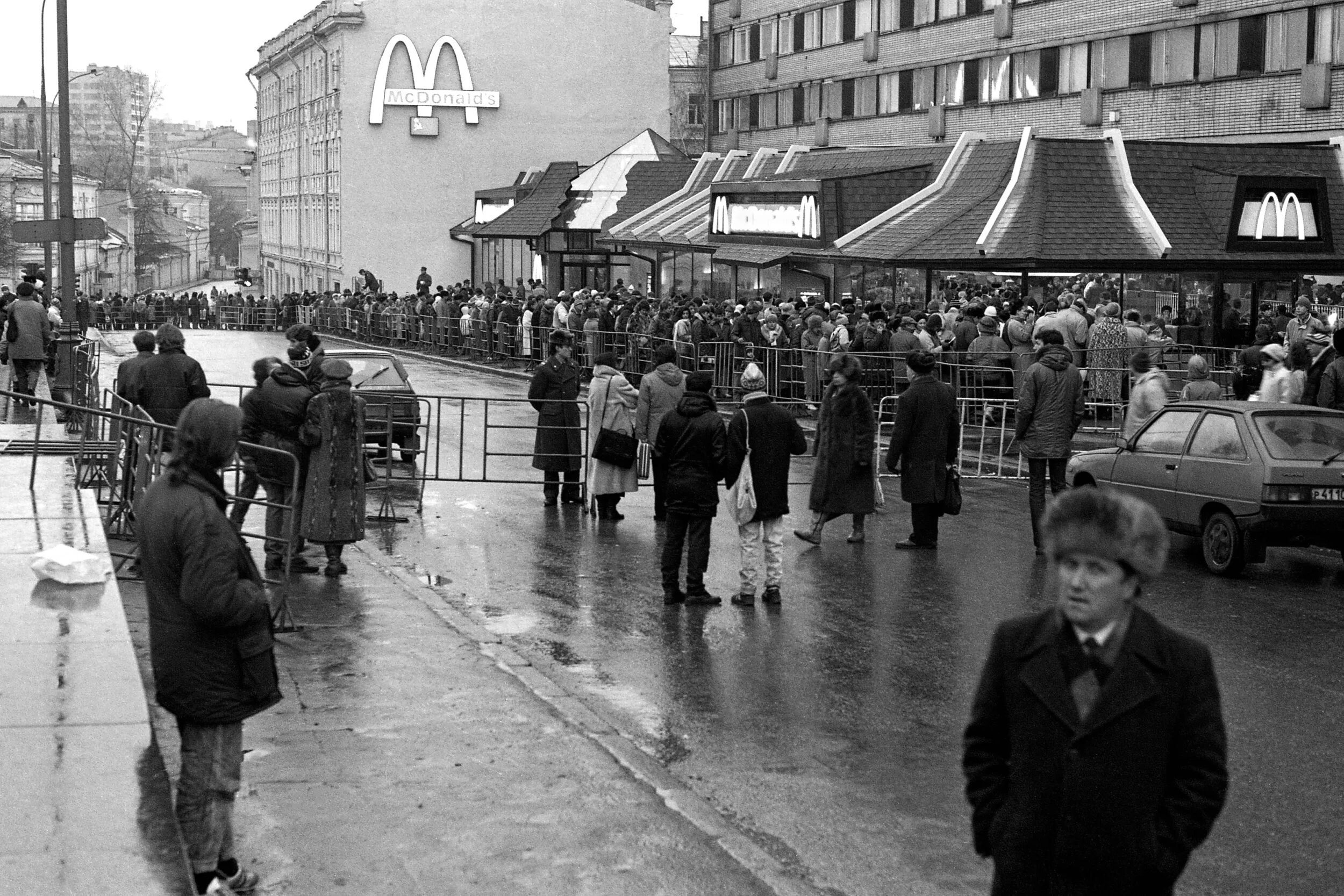
The shot I have added below was taken on the day of the opening of the first McDonalds in Moscow, shot on Kodak TMax 100. It shows literally hundreds of Muscovites queuing up to get their first taste of a Big Mac. After eating they came out carrying their polystyrene packaging, cups and straws!

I am still trawling through my collection of negatives from this period, most of which have never been printed, and will add additional images to the website over time.
Friendly KGB guy keeping an eye on me and the crowd waiting for their first taste of a Big Mac

Friendly KGB guy keeping an eye on me and the crowd waiting for their first taste of a Big Mac

She Dances on Jackson, Vanessa Winship

I came across a photobook by British photographer Vanessa Winship titled She Dances on Jackson. I liked it so much that I ended up buying one for my collection! It was shot in the US over a period of more than a year and features beautiful black and white images. Winship shot them on a 5x4 camera and uses both landscape and portrait formats in the book. The images are a combination of landscapes and portraits as well as individual details and I found that the mix creates interest. There is no evident narrative in the way the images have been arranged. The only discernible narrative seems to be her journey across America. The title is also completely oblique with no obvious meaning although it could refer to Jackson a town in Mississippi or the Jackson River in Virginia. (Or possibly even ‘Stonewall’ Jackson a Confederate commander in the American Civil War.) Anyway, there is no explanation so you are left guessing.

Images are beautifully seen and realised and the black and white, slightly warm tone reproduction gives a stillness and melancholy feel to the work. The 5x4 image quality is compelling but at this image size (8 x 6 1/2 inches surrounded by a plain white border) I feel that they would likely also look good shot on full frame digital or MF film, although the tonality would probably suffer. The images all feature very similar, diffuse lighting and I wonder how Winship managed to do this given that the project extended across the summer of 2012 and many of the images were shot in the southern US. Most of the skies in the photos are empty with little detail which adds to the slightly baleful look. The images have been printed with a full tonal range, although extreme highlights could well have been deliberately subdued in the post production stage.

The presentation of the book is superb. Each image is on a separate page with a blank page opposite. I like the space that the spare pages create around the images, allowing them to breathe without another image in the same spread competing for your attention. It is printed on a thick paper stock that has a slight lustrous quality to it and has a cloth cover which also adds to the sense of quality. It has no page numbers or explanations as to locations, subjects, date etc. which means that nothing detracts from the images.

As already mentioned, I found the book compelling and it gave me the idea of shooting Suffolk water- and landscapes on 5x4 and combining the images into a photobook printed on high quality paper stock. I have already shot 10-12 images along these lines so completing this could be a project for the summer.

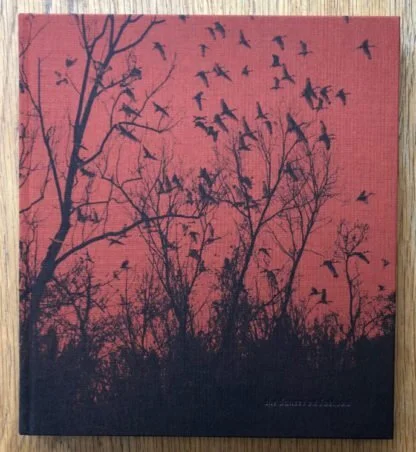
Cloth cover of She Dances on Jackson

Cloth cover of She Dances on Jackson

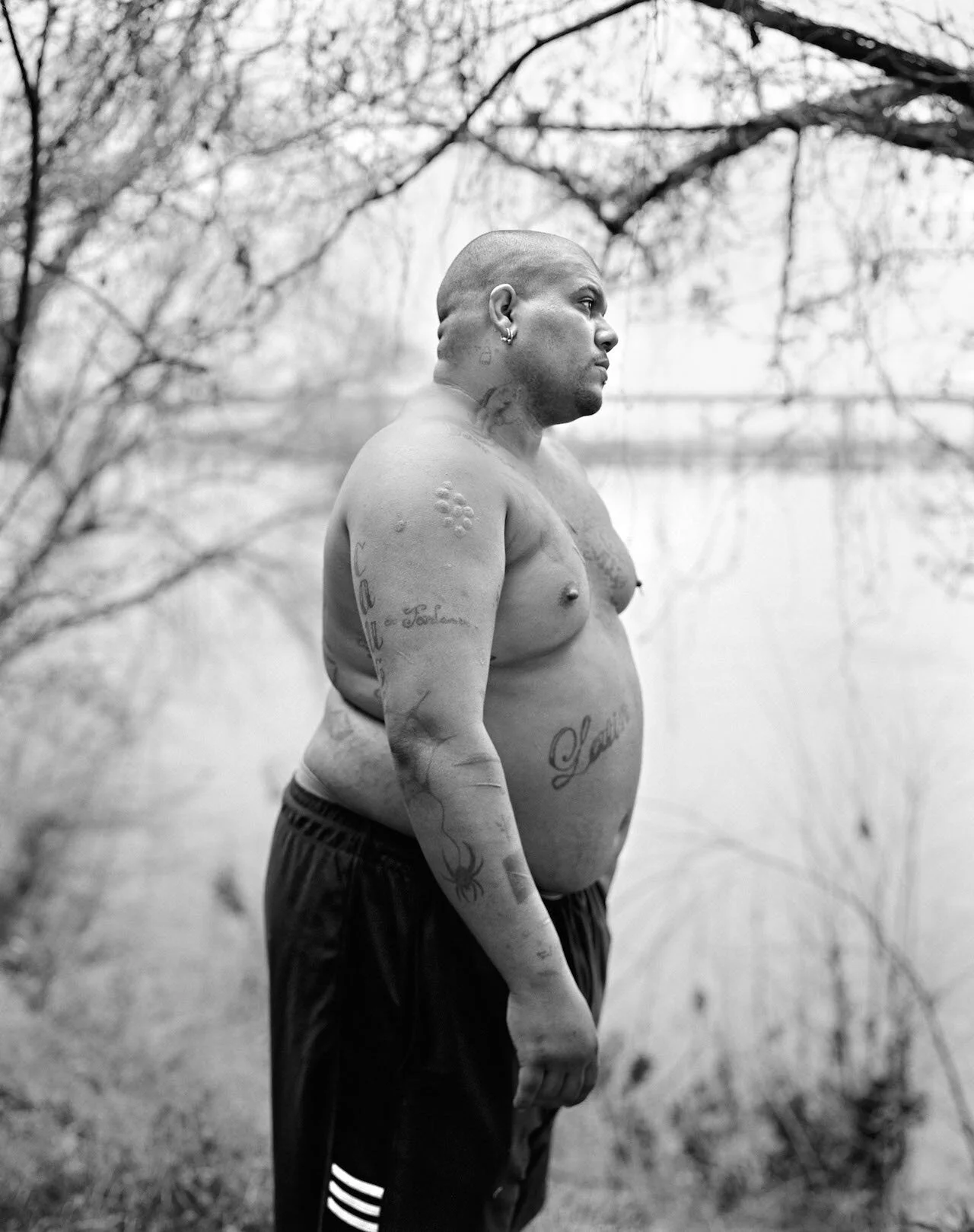
One of the superb portraits from she dances on jackson

One of the superb portraits from she dances on jackson

In Memoriam proofing

Having received a book draft back from Blurb I noticed that there was a problem with the alignment of the text on the spine and also the intro text that I had written. While overall it works pretty well one of the frustrations with the Lightroom book module I used to produce it is text alignment. And for some reason this does not always show up in the pdf. I also decided to drop a couple of the images I had included in the draft copy, images I wasn’t entirely happy with.

I discussed the book initially with artist and publisher John Christie who gave me helpful comments, including a suggestion that I include a section at the back on the plates detailing where and when they had been shot and adding a few explanatory notes to aid the readers interpretation. I also discussed the book with Mark Edwards who is course leader in Photography at the University of Suffolk. He suggested making some changes to the introductory text and also floated the idea of having someone else write an essay to add to the book. While I liked this idea I did not have anyone in mind for this and I was keen to finalise the book and put it up on Amazon for sale so I did not pursue this. When planning any additional publications I will give this serious consideration from the outset of the project.

_DSC5060 crop-Edit.jpg

Image from the first section of In Memoriam

Trialing 5x4

I enjoy producing images in black and white using traditional chemistry and over the summer I used a Wista 5x4 technical camera with 150 mm and 210 mm lenses to shoot images of rivers and coast lines around Suffolk, UK where I live. I had developed and in some cases printed some of these images by the end of August but had a back log of negatives that I had not had time to utilise. Now I have had a chance to print some more of these images and I’m impressed with the tonality and clarity of the results when I compare them to images shot on medium format. The negatives were shot on Ilford HP5 ISO 400 film and tank developed in Rodinal. I then printed them onto Ilford Multigrade Warmtone fibre paper to 16x12, tray developed in Ilford Multigrade developer. I like this combination of paper and developer as it gives a slightly warmer image that seems to suit the subject well.

Like everything else in photography, it’s a case of horses for courses. I still feel that traditional chemistry wins out when it comes to black and white prints and in this case the extra effort required relative to digital is warranted. However, below I have included a digital scan of one of the images which I think helps to show the fine tonal gradation that results from using 5x4 translated to digital format.

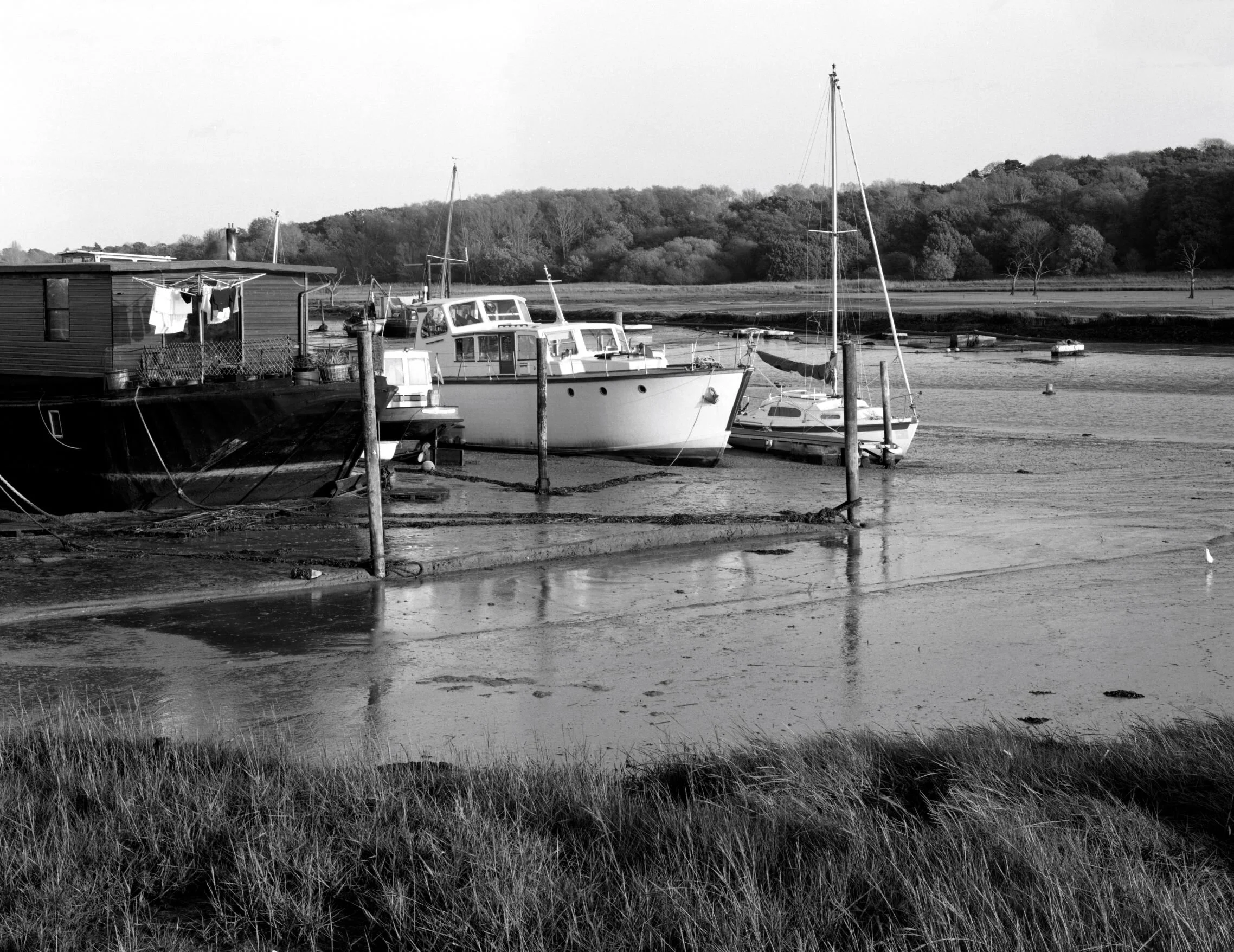
House boats on the Deben at Woodbridge, Suffolk (Wista 45, Fuji 210 5.6 lens)

House boats on the Deben at Woodbridge, Suffolk (Wista 45, Fuji 210 5.6 lens)

In Memoriam book production

I have been working on the book of images from my Ukraine shoots. This is the second book I have produced. First time around (see earlier blog entry on Dead Spaces) I had shot the images in the Philippines using a combination of full frame digital and colour film (Kodak Portra 400) on an old Rolleiflex TLR. While I generally liked the results from film I found colour matching the images with the digital shots very time consuming. For this book I decided to shoot the colour images solely using digital to avoid this problem. As before, I used the book module in Adobe Lightroom. While most of the post production work was done in Photoshop, I find Lightroom useful for organising images. It links pretty seamlessly with Photoshop. Once the book was assembled I produced a PDF, checked it over and then uploaded it via Lightroom to the Blurb publishing platform, ordering a copy to use as a draft to check colour fidelity, alignment etc.

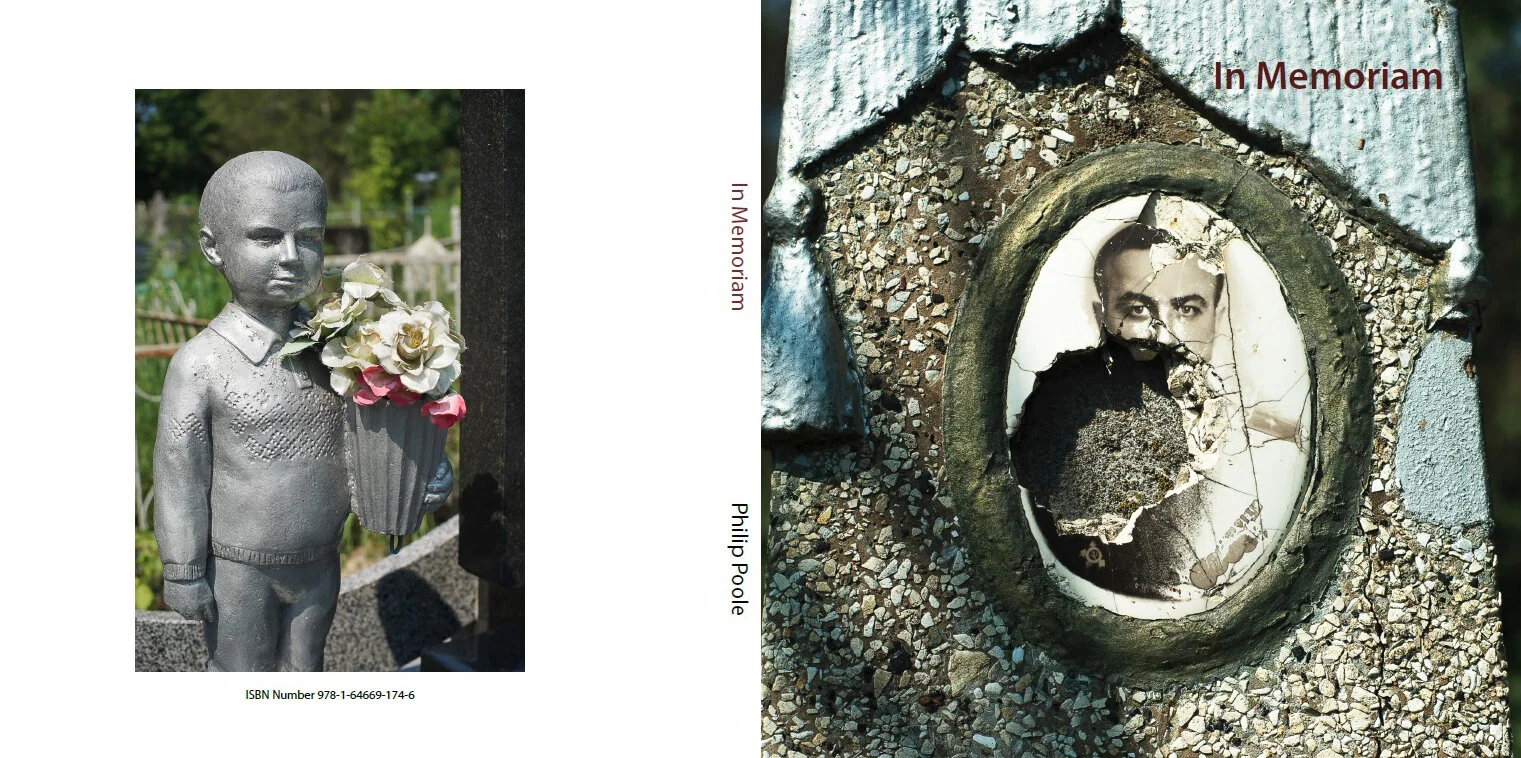
Front and back covers of In Memoriam

Front and back covers of In Memoriam

Ukraine Shoots

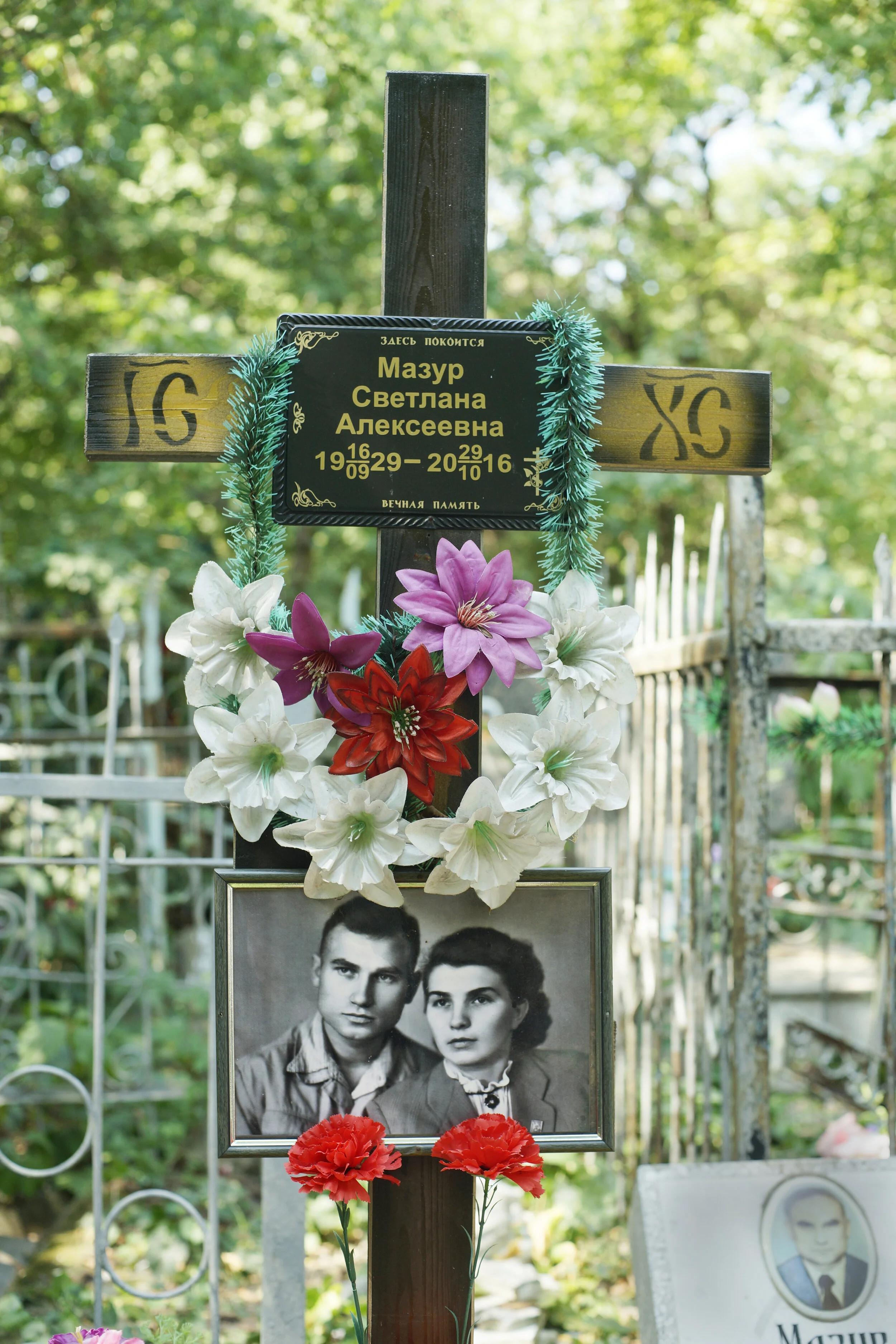
Over the summer I visited Kiev, Kherson and Odessa in Ukraine to shoot additional images for a book I have been working on for close to 18 months. The book will feature funerary images from cemeteries in Ukraine where the tradition is to put portraits and sometimes sculptures on graves.

These images were taken to supplement earlier shoots which also included Kharkov and Poltava.

I used a Sony SLT 99 full frame digital together with 50 F1.4 and 28 F2.8 old Minolta lenses. I find both the sharpness and colour fidelity of these lenses beats the 28-105 zoom lens I also use with this camera and using fixed focal lengths makes me take a more considered approach to image making, avoiding the temptation to zoom the lens rather than adjust the camera viewpoint.

Using the cameras image stabilisation and these faster lenses also allows me to shoot mostly hand held, even in less than optimal light and still get sharp results. I find that the ISO 200 setting yields close to grainless images even when printed up to a meter and a half on the longest edge (I shoot using an aspect ratio of 3:2, similar to traditional 35 mm film).

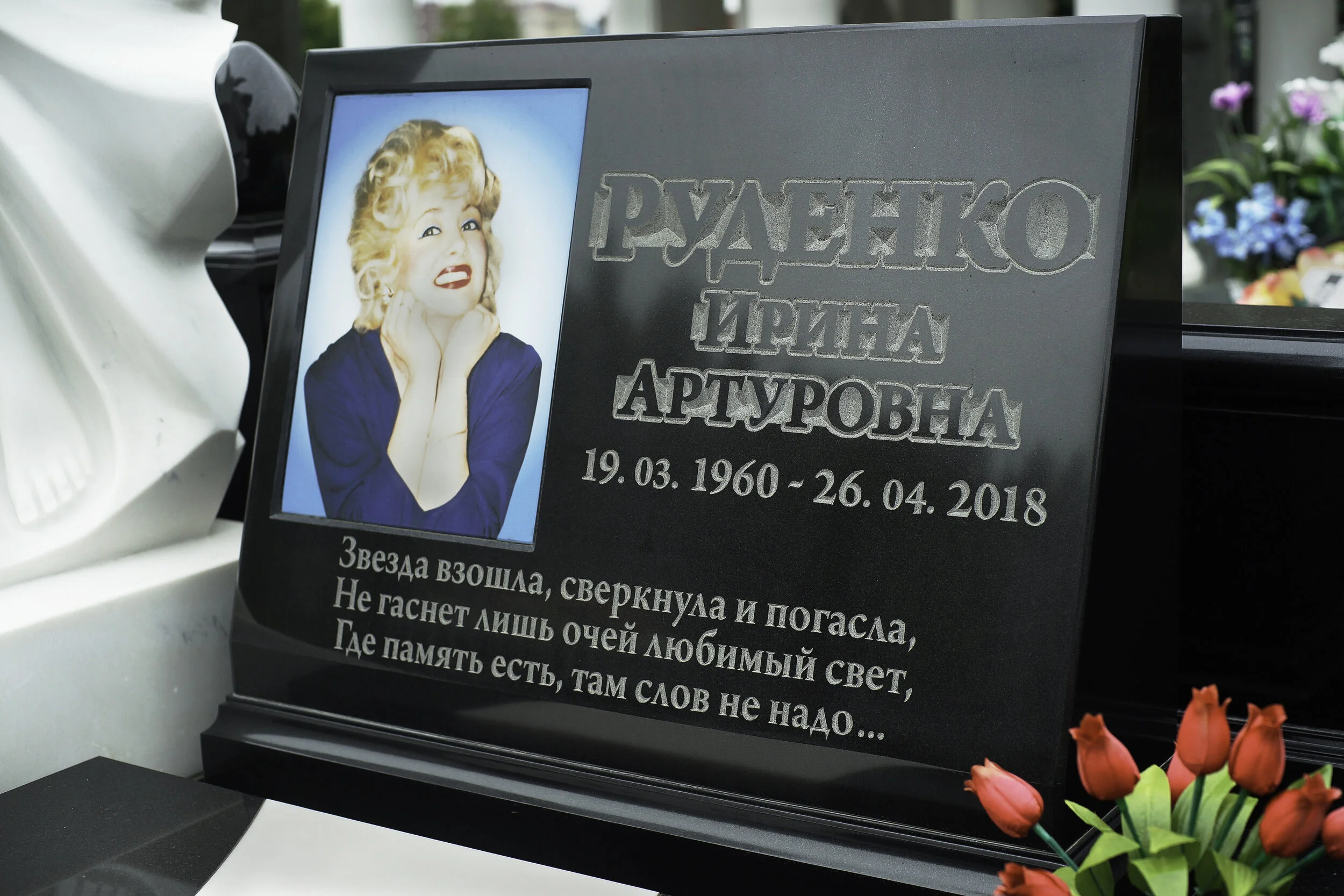
An image taken on my most recent shoot in Ukraine

An image taken on my most recent shoot in Ukraine

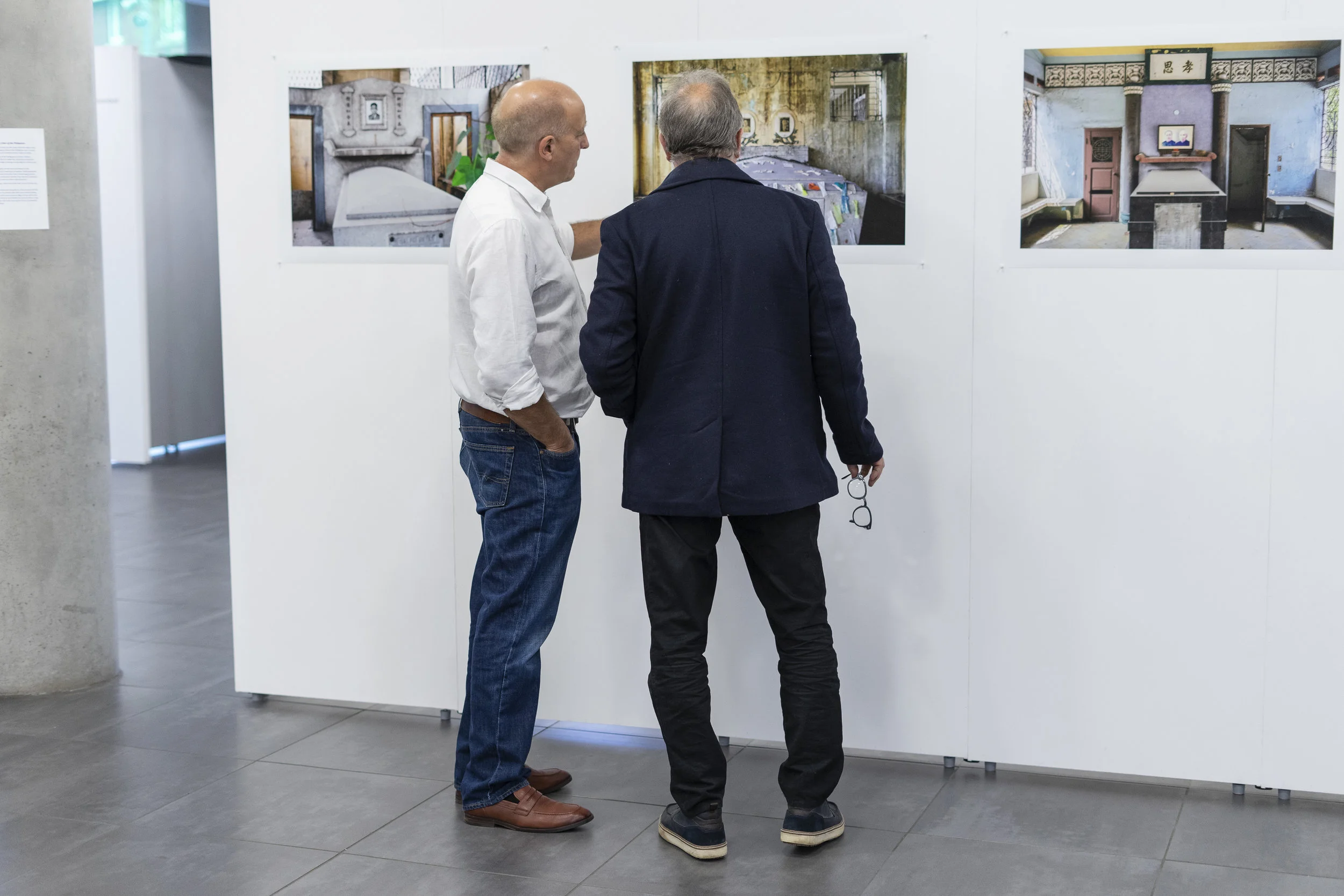
Private View of Exhibition at the Waterfront Gallery, Ipswich, England

The private view for my exhibition at the Waterfront Gallery of the Ipswich campus of the University of Suffolk was held on Tuesday 9th April. It was a good evening and well attended. Here in discussion with the artist and writer John Christie who gave me very helpful advice around the project. (Thanks to Luke Addison for the photo).

_DSC0499.jpg

Inside the Cemetery Cities of the Philippines, Exhibition at the Waterfront Gallery, Ipswich, Suffolk, UK

Photographic Exhibition

Inside the Cemetery Cities of the Philippines

Midday Monday 8th April to Midday Friday 12th April

The Waterfront Gallery, University of Suffolk

19 Neptune Quay, Ipswich IP4 1QJ

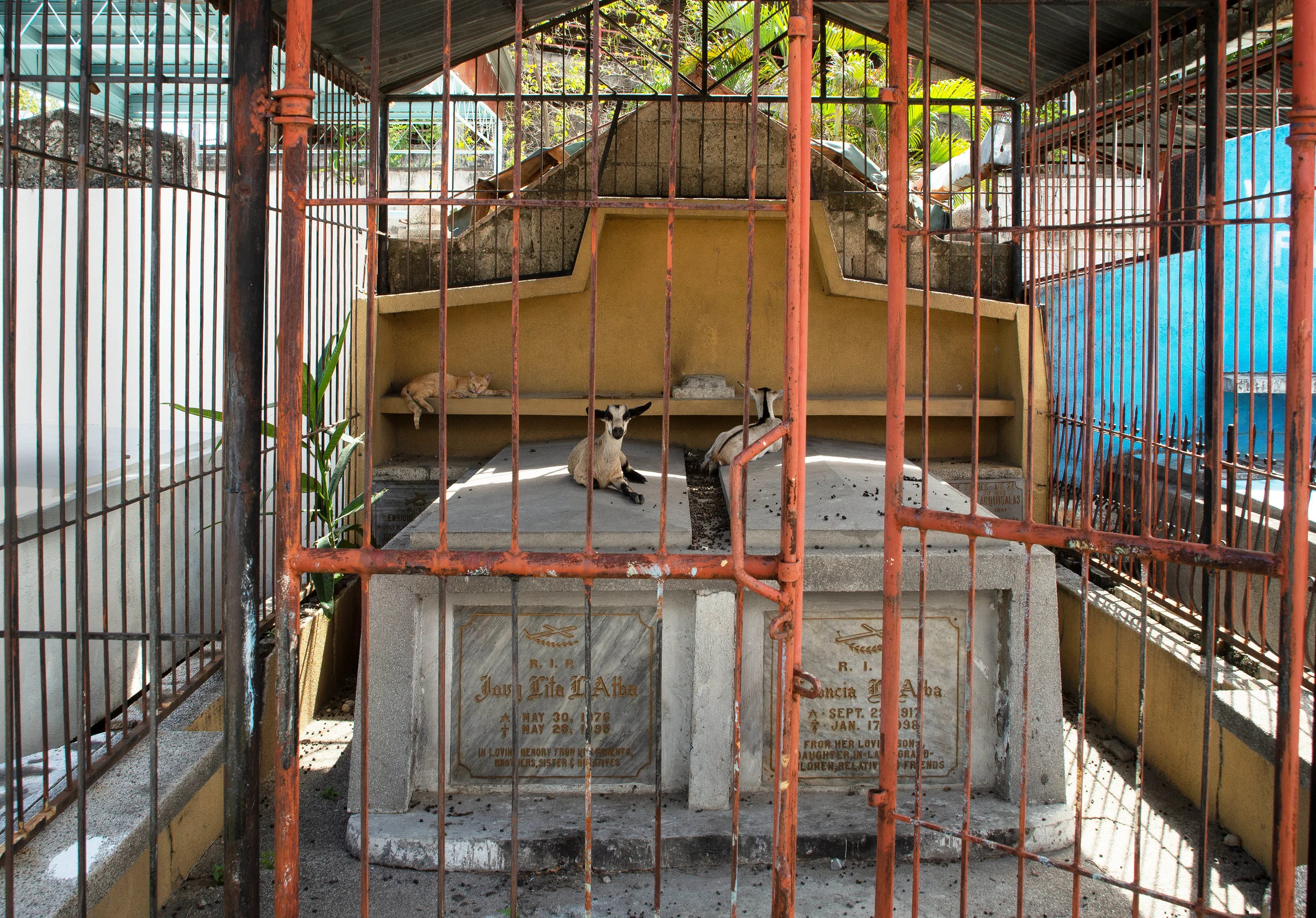
This visual narrative takes a look inside the sprawling cemetery cities of the Philippines that in recent years have become home to hundreds of poor migrant families

The exhibition will feature colour and black and white still images and an audio visual installation shot on location in Manila and Cebu

Free admission

Goats on grave.JPG